

+918042757363

Currently it only shows your basic business info. Start adding relevant business details such as description, images and products or services to gain your customers attention by using Boost 360 android app / iOS App / web portal.

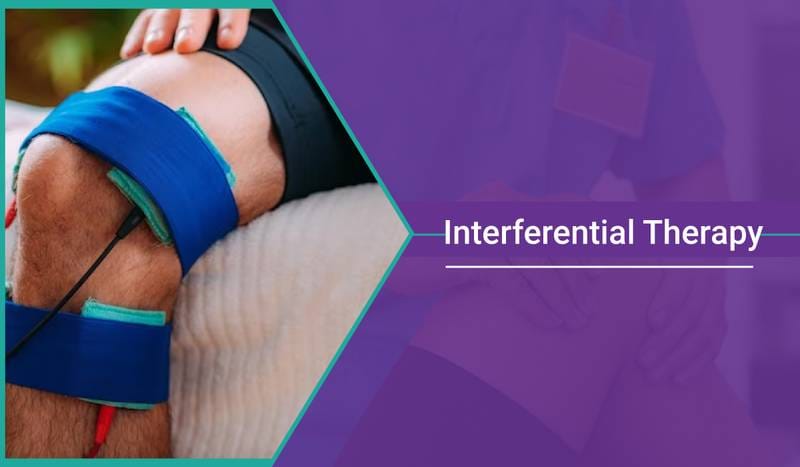
Interferential therapy (IFT) in ambattur Interferential therapy (IFT) is a type of electrotherapy used in physiotherapy for pain relief, muscle stimulation, and promoting tissue healing. It involves the use of medium-frequency electrical currents to target specific areas of the body. Here are some common uses of interferential therapy: Pain Management: Interferential therapy is often used to alleviate pain associated with various musculoskeletal conditions, including back pain, neck pain, shoulder pain, knee pain, and arthritis. The electrical currents stimulate nerve fibers, modulate pain signals, and promote the release of endorphins, which are natural pain-relieving substances produced by the body. Muscle Stimulation: Interferential therapy can help improve muscle strength, endurance, and coordination by causing muscle contractions. It is used in rehabilitation programs to prevent muscle atrophy, improve muscle function following injury or surgery, and enhance neuromuscular re-education. Edema Reduction: Interferential therapy may be used to reduce swelling and edema (fluid accumulation) in injured or inflamed tissues. The electrical currents help improve circulation, lymphatic drainage, and fluid mobilization, facilitating the resolution of edema and promoting tissue healing. Promotion of Tissue Healing: Interferential therapy can promote tissue healing by increasing blood flow, oxygenation, and nutrient delivery to injured or damaged tissues. The electrical currents stimulate cellular metabolism, enhance protein synthesis, and accelerate the repair process, leading to faster recovery from injuries and surgeries. Reduction of Trigger Points: Interferential therapy may help reduce trigger points (localized areas of muscle tightness and tenderness) by increasing blood flow, relaxing muscle fibers, and disrupting pain signals. It can be used as part of a comprehensive approach to managing myofascial pain syndromes and muscle imbalances. Improved Range of Motion: Interferential therapy can help improve joint flexibility and range of motion by reducing muscle spasm, increasing muscle relaxation, and facilitating stretching exercises. It is often used in combination with therapeutic exercises and manual therapy techniques to enhance mobility and functional outcomes. Neurological Rehabilitation: Interferential therapy may be used as part of neurological rehabilitation programs for individuals with conditions such as stroke, spinal cord injury, and multiple sclerosis. It can help improve sensory perception, motor control, and muscle recruitment patterns by stimulating neural pathways and promoting neuroplasticity. Prevention of Deep Vein Thrombosis (DVT): In some cases, interferential therapy may be used prophylactically to prevent deep vein thrombosis (DVT) in individuals at risk, such as those undergoing prolonged bed rest or immobilization. The electrical currents help stimulate blood flow and prevent stagnation in the lower extremities.


